29 May 2026


Consumers in the UK and across the world are becoming increasingly health conscious in their food and lifestyle choices. One buzz-word which has been receiving lots of traction recently is fibre – like many trends that came before it, the fibre movement is creating big waves in the food industry. Manufacturers across the board are innovating new fibre-led products, targeting health-conscious consumers who are newly alert to the importance of fibre in their diet.
Unlike some health trends of the past, the benefits of a high fibre diet are not reflected in body shape or any other visible marker, but rather the digestive system, including the gut, intestines, and colon. The focus on internal health rather than beauty standards suggests a positive shift in our culture’s priorities, which is reflected in the health-led marketing approach that many food manufacturers are leaning in to.
Nutritionists and health professionals have been aware of the many benefits of a high fibre diet for decades, but the conversation on fibre has only been escalated to current heights very recently. The NHS National Diet and Nutrition Survey (2019 to 2023) showed that the mean daily intake of fibre for adults was 16.6g out of an ideal 30g, and only 4% of adults met the 30g benchmark of what they should be eating.
One organisation that has been an ambassador for digestive health for a long time is the World Gastroenterology Organisation (WGO). The WGO aims to support research, scientific advancement and cultural awareness of the importance of digestive health and brings together experts from across the globe to share knowledge. They also work to raise awareness of gastrointestinal diseases like Crohn’s disease, IBS, and celiac disease, and start conversations about the challenges that sufferers face, in order to reduce stigma and increase support. The WGO commemorated the founding of their organization in 1958 by marking 29th May as World Digestive Health Day.
J L Priestley & Co Ltd is proud to be a member of the Food and Drink Federation, a leading trade association representing the food and drink manufacturing sector, they too are also raising awareness of the importance of fibre consumption as part of an essential daily diet through the Action On Fibre campaign. See link at the bottom for more details on action on fibre.
Fibre can be soluble or insoluble –both kinds are vital, and fulfil different roles. Soluble fibre feeds the beneficial bacteria that live in the gut, regulating bowel movements and slowing digestion (which keeps you feeling fuller for longer). It also stabilizes blood sugar levels, and lowers ‘bad’ cholesterol which supports heart health. However, soluble fibre is highly fermentable, so introducing a lot of it quickly can cause bloating – to avoid this it’s recommended to step up fibre intake gradually.
Insoluble fibre, as the name suggests, doesn’t dissolve when ingested. Instead it attracts water, swells and provides bulk, which helps to physically and chemically break down food during digestion. This bulk speeds up the transit time of waste in the digestive tract and colon, which reduces the risk of hemorrhoids and other digestive disorders.
At J L Priestley & Co Ltd, we are delighted to be part of the fibre wave supporting our customers who are embracing this uniquely beneficial trend in their new product development. We welcome food manufacturers to talk to us about our more fibrous ingredients which we can process to meet your exact requirements, including cleaning, milling, toasting, and more.
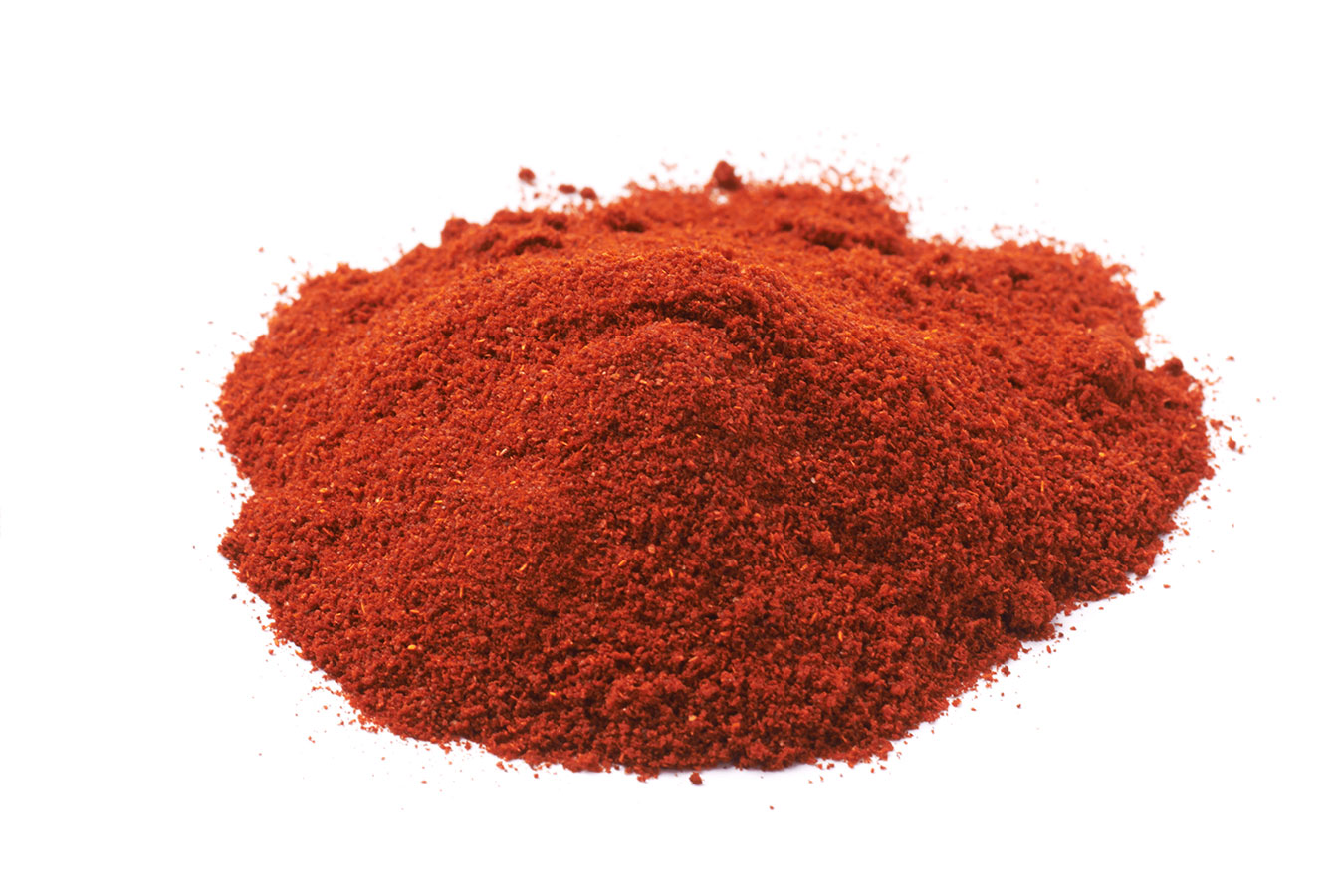
We have been seeing an increase in demand for high fibre ingredients, and while all plant based products contain fibre to some degree, the stars of the show are those that can be officially classed as high fibre (at least 6g fibre per 100g ingredient) or as a source of fibre (at least 3g of fibre per 100g ingredient). For us, that means our top performers in our herbs and spice range are cinnamon and ground coriander (both 53.1g fibre per 100g ingredient), crushed sage (47g) and smoked paprika (34.9g).
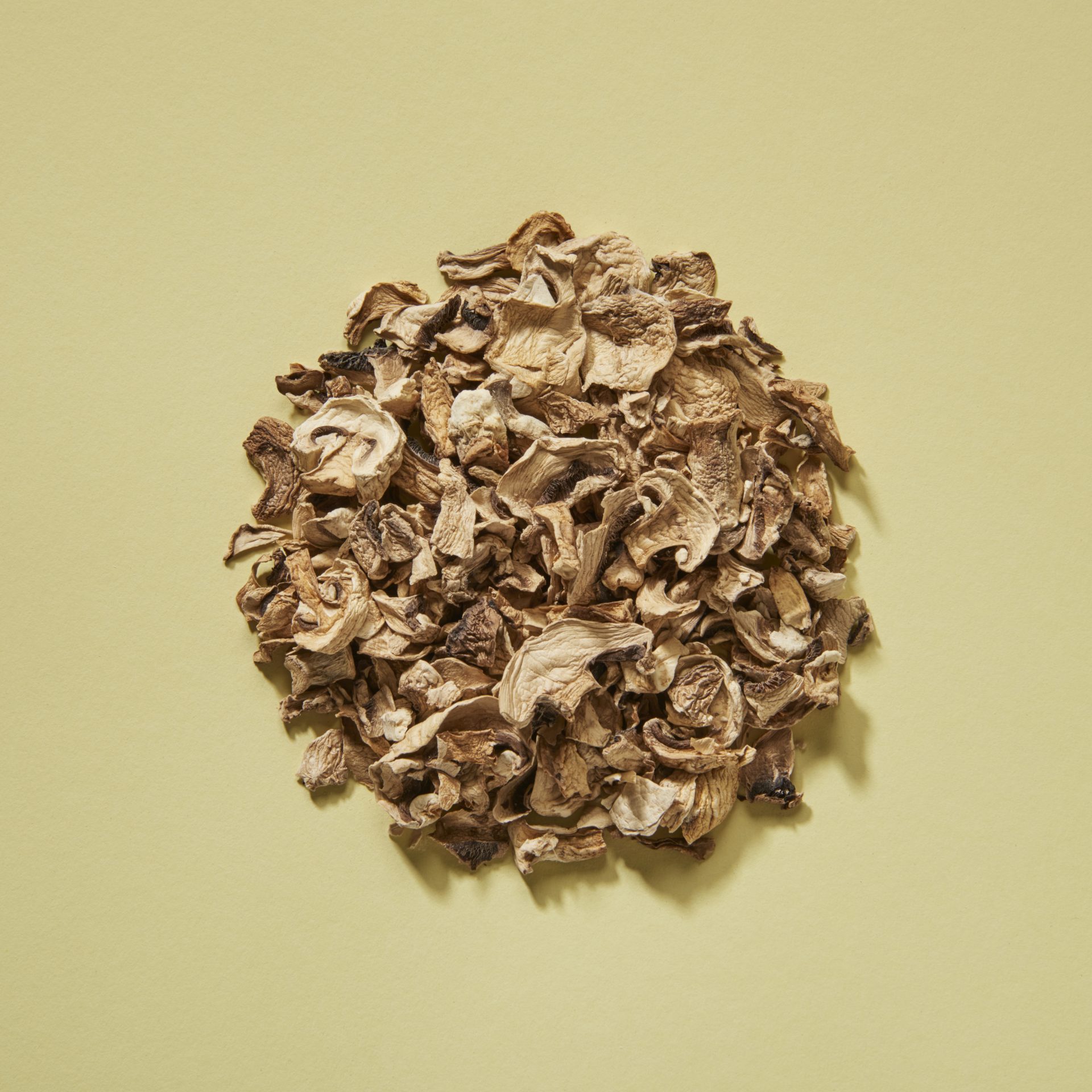
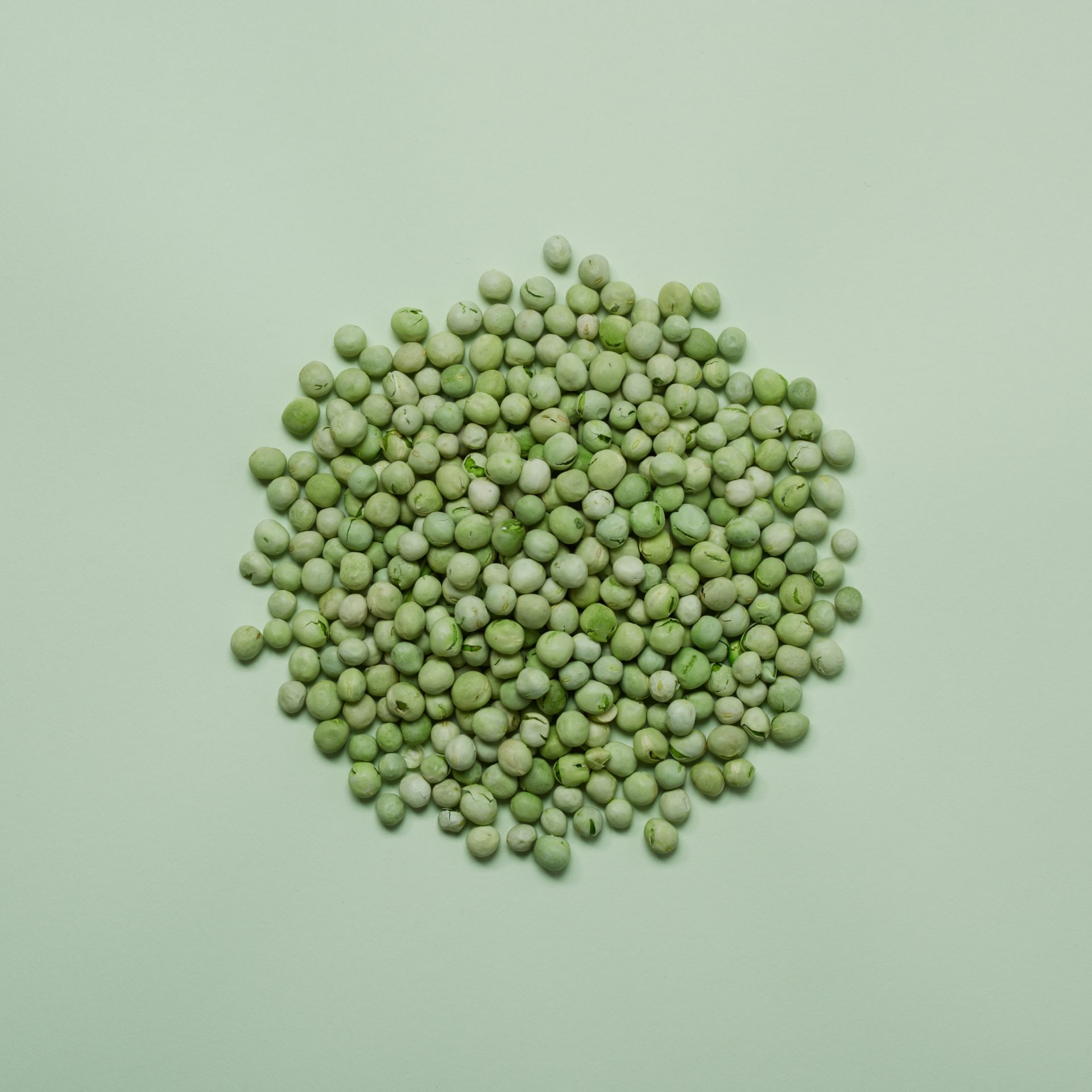
Some great sources of fibre are our 10 min garden peas (33.5g), mushroom powder (22.9g), carrot powder (28.2g), desiccated coconut (16.3g), dried apple (12.5g), and tomato (10.8g). Natural, plant based products are the best way to boost fibre intake – even in kibbled, flaked, or powdered form, our ingredients retain their soluble and insoluble fibre content and the associated health benefits.
We have been working to get hold of another ingredient that is recognised for it’s fibre content – sweet potato (5.2g). We are expecting first shipments of sweet potato powder in the next 4-6 weeks, so get your order in now!
We are delighted to see more of our food manufacturing partners making informed choices about their dried food ingredients, focusing on digestive health when formulating their new recipes. Deliberately prioritising high fibre ingredients not only supports consumer demand, but contributes towards better health for the general public, and that’s something that we’re proud to be a part of.
If you would like to find out more about the FDF’s Action On Fibre campaign, please see the below link:
https://www.fdf.org.uk/fdf/our-work/our-campaigns/action-on-fibre/
Sources: