19 August 2026
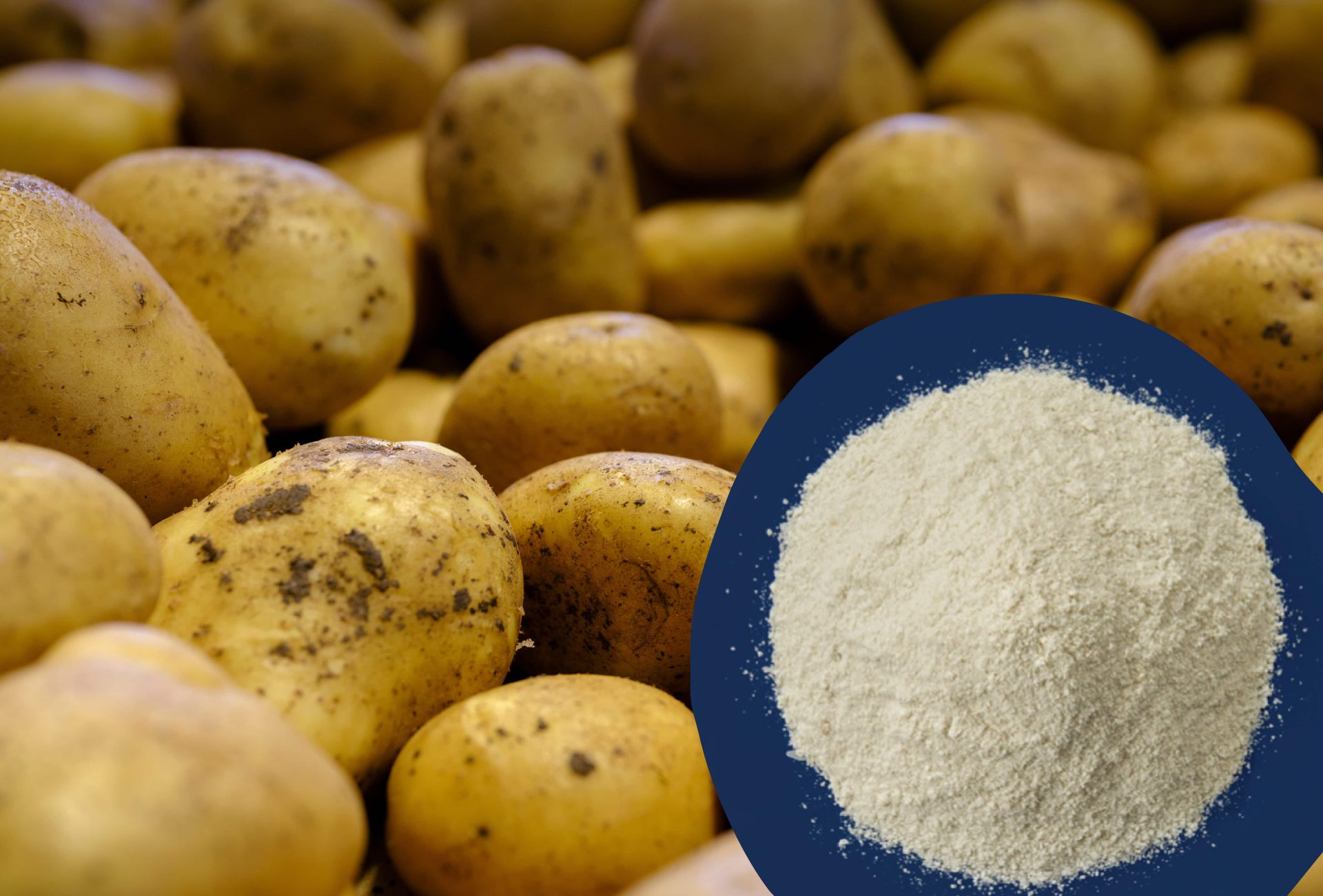
From a humble staple to a highly adaptable food ingredient, the potato has played an important role in diets around the world for centuries. Today, modern food manufacturing has found even more ways to make the most of this remarkably versatile crop, with potato flakes offering manufacturers convenience, consistency and flexibility across a wide range of applications.
As we look ahead to the arrival of the 2026 new crop potato flake season, we are excited to be talking about potatoes and the opportunities they offer to food manufacturers once again.
The potato has a long and fascinating history. Originally cultivated in the Andes region of South America thousands of years ago, potatoes eventually made their way to Europe following Spanish exploration in the 16th century. From there, their popularity spread, and the potato became an important food crop in many parts of the world.
It’s no mystery how potatoes became one of the worlds most important crops. They are adaptable, widely available and remarkably versatile. They can be boiled, baked, mashed, fried and processed into an enormous variety of food products.
However, the fresh potato has one significant challenge for the food industry: it is perishable and bulky to transport and store.
The search for ways to preserve potatoes and extend their usefulness therefore has a long history. Traditional methods of dehydration date back centuries, including the Andean technique known as chuño, which used natural freezing and drying conditions to preserve potatoes for long-term storage.
The development of modern potato dehydration technology took this principle much further.
The rise of convenience foods in the 20th century created a growing need for food products that could offer convenience without compromising on quality. Research into dehydrated potatoes gathered pace, with scientists exploring ways to create a product that could be stored efficiently and quickly reconstituted.
In the USA in the early 1950’s, researchers developed a rapid drying process that helped overcome some of the texture and quality problems associated with earlier attempts at dehydrating mashed potatoes.
The result was a major breakthrough.
Potato flakes were introduced commercially in 1957 and quickly established themselves as a successful form of dehydrated potato. Unlike some earlier dried potato products, the flake process offered good reconstitution characteristics alongside appealing texture, flavour and appearance.
The impact went well beyond instant mashed potato.
As the technology developed, potato flakes began to find applications as an ingredient in a much broader range of food products. Their combination of convenience, stability and versatility opened up new possibilities for food manufacturers and helped establish potato flakes as an important ingredient in modern food production.
It is a development that continues to influence the industry today.
For food manufacturers, the value of an ingredient is about much more than what it tastes like. Consistency, functionality, ease of handling, storage and application all matter.
This is where potato flakes really come into their own.
As a dried potato ingredient, potato flakes are convenient to handle and store, while offering manufacturers a practical way to incorporate potato into a wide variety of formulations. Their versatility means they can play different roles depending on the product being developed.
Potato flakes can be used across applications including:
For product developers and food manufacturers, this versatility can make potato flakes an extremely useful ingredient to have.
They can help simplify production by providing a consistent, easy-to-use dried ingredient, while also offering opportunities for innovation across different food categories.
The ability to work with a stable, versatile potato ingredient rather than relying solely on fresh potatoes can also bring practical benefits to manufacturing operations. It can support more efficient ingredient handling and help manufacturers develop products with consistent results from batch to batch.
The applications may be diverse, but the principle is simple: potato flakes give manufacturers another way to unlock the potential of the humble potato.
At J L Priestley & Co Ltd, we are proud to supply potato flakes produced from British-grown potatoes.
For UK food manufacturers, sourcing a potato ingredient produced from British-grown potatoes can offer the opportunity to reduce transport requirements and food miles, resulting in a more ethical and environmentally friendly end product.
For us, it is also about supporting a strong connection between British agriculture and the food manufacturing sector.
National Potato Day arrives at an exciting time for the potato industry, with the 2026 new crop potato flake season approaching.
The annual crop cycle is an important part of the potato flake supply chain, and for food manufacturers, planning ahead can be key to securing the right ingredient for upcoming production requirements.
Whether you are an established potato flake customer, looking to review your current supply, or considering potato flakes for a new product or application, now is the time to start the conversation.
At J L Priestley & Co Ltd, our experienced sales team is here to help. We can answer your questions, discuss your requirements and help you explore how potato flakes could work within your products and processes.
From its origins in the Andes to its place in today’s sophisticated food manufacturing industry, the potato has come a long way.
The development of potato flakes was a genuine milestone in food technology, transforming a perishable and bulky crop into a convenient, versatile ingredient with applications far beyond the traditional plate of mashed potato.
And that story is still evolving.
As we celebrate National Potato Day today, with the 2026 new crop potato flake season on the horizon, we are looking forward to another year of working with our valued customers to make the most of this remarkably versatile ingredient.
Have a question about potato flakes or want to discuss your requirements for the 2026 crop? Our sales team would be delighted to hear from you. Get in touch with J L Priestley & Co Ltd to start the conversation – email hello@jlpriestley.com or call 01529 419950