10 November 2026
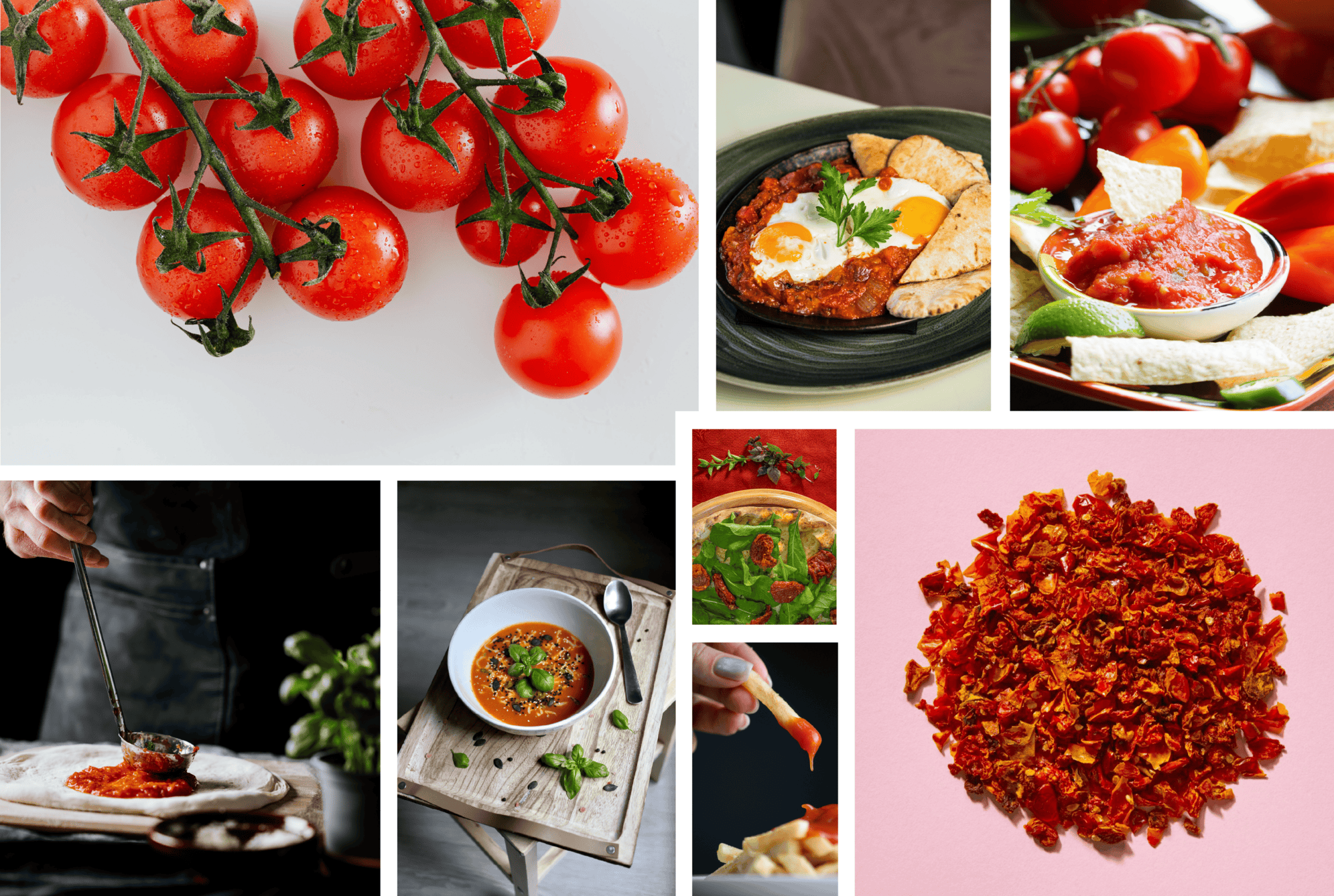
Tomato is one of the most recognisable ingredients in the food industry, yet its role in a finished product can vary enormously. It can bring brightness to a seasoning, richness to a sauce or a distinctive savoury note to a snack. Its familiarity makes it easy to overlook just how much it contributes to a recipe.
For food manufacturers, tomato offers a useful combination of flavour, colour and adaptability, with applications extending well beyond the traditional sauces and soups with which it is commonly associated.
The tomato has travelled a long way, from its origins in the Americas to kitchens across the globe. Cultivated by Indigenous peoples in Central and South America, it was introduced to Europe in the 16th century before gradually becoming established in cuisines around the world.
Today, tomato is central to an extraordinary range of food traditions. It forms the basis of Italian passata, Spanish sofrito and Mexican salsa, while featuring prominently in curries, stews and countless regional specialities from around the world.
Its widespread appeal owes much to its ability to complement other ingredients. Tomato can bring acidity to rich dishes, balance sweetness and provide a savoury foundation for herbs and spices. It is a familiar flavour, but one that can take on very different characteristics depending on how it is prepared.
One of tomato’s most interesting qualities is the way its flavour develops during processing. Understanding these changes can help manufacturers select the most appropriate ingredient for their intended application.
Fresh tomato has a balance of sweetness, acidity and savoury notes, alongside a high moisture content. Its flavour can be bright and slightly sharp, depending on the variety and ripeness.
Cooking changes that balance. As tomato is heated, its texture softens and its flavour becomes more rounded, with sweetness often becoming more pronounced. Cooking also affects the availability of certain flavour compounds, contributing to the familiar depth associated with tomato-based sauces.
Drying takes a different approach. By removing much of the water, it concentrates the tomato’s existing flavour components, creating a more intense profile in a smaller quantity of ingredient. Depending on the raw material and drying method, dried tomato can offer a pronounced sweet-savoury character, with the distinct tang of tomato still present.
Sun-dried tomato can develop additional depth through the combined effects of moisture loss, exposure to sunlight and the conditions under which it is processed. The resulting flavour can be particularly concentrated and robust, making it useful when a stronger tomato character is desired.
These differences matter when developing a product. A bright, tangy tomato note may be ideal for a seasoning mix, while a deeper, more rounded flavour may better suit a soup, sauce or savoury snack. Considering the intended flavour profile from the outset helps ensure that the ingredient supports the finished product rather than simply adding a generic tomato taste.
Tomato’s flavour profile lends itself to applications across several food categories, making it a useful ingredient to consider during product development.
In savoury snacks, it can feature in seasoning blends alongside paprika, chilli, garlic and herbs. In prepared meals, it can contribute to the flavour of pasta dishes, casseroles, soups and stews. It also has potential in savoury bakery products, coatings and dry mixes, where its characteristic taste can complement other ingredients.
Tomato works particularly well with ingredients that provide contrasting or complementary notes. Garlic and herbs bring aromatic qualities, chilli adds heat, and smoked paprika can introduce a smoky dimension. In meat-based recipes, tomato can help balance richer flavours; in plant-based products, it can provide a familiar savoury note that brings the overall profile together.
Its role will depend on the product being developed, whether that means delivering a recognisable tomato flavour, supporting a more complex seasoning or contributing to the overall character of a recipe.
For food manufacturers, dried tomato offers practical advantages where storage, handling and formulation requirements need to be considered alongside flavour.
When stored under appropriate conditions, dried ingredients have a much longer shelf life than their fresh equivalents. Their lower moisture content can also make them suitable for dry blends and formulations where introducing additional water would be undesirable.
The physical format is an important part of the selection process. Tomato flakes can provide visible pieces within a finished product, while smaller granules offer a finer distribution. Tomato powder is suited to applications where an ingredient needs to be incorporated more uniformly, such as dry seasonings and mixes. Sun-dried tomato pieces or halves may be appropriate where a more distinctive ingredient presence is required.
The right choice will depend on factors including the desired appearance, particle size, flavour intensity and the requirements of the manufacturing process.
At J L Priestley & Co Ltd, we supply dried tomato in a range of formats, including 10mm flakes, 1–3mm granules, powder, and sun-dried tomato in 6mm pieces or halves.
Considering these specifications alongside the intended application helps manufacturers identify an ingredient that works for both the recipe and the production process.
A familiar ingredient can still offer plenty of scope for product development. From seasoning blends and savoury snacks to prepared meals and dry mixes, tomato can contribute something distinctive across a broad range of applications.
If you are exploring a new formulation or reviewing the ingredients in an existing product, the right format and specification can make an important difference.
Explore our range of dried vegetables, fruits, herbs and spices [link] or speak to our team about your ingredient requirements.
Contact J L Priestley & Co Ltd at hello@jlpriestley.com or call 01529 419950 to discuss how we can support your next application.