25 November 2026
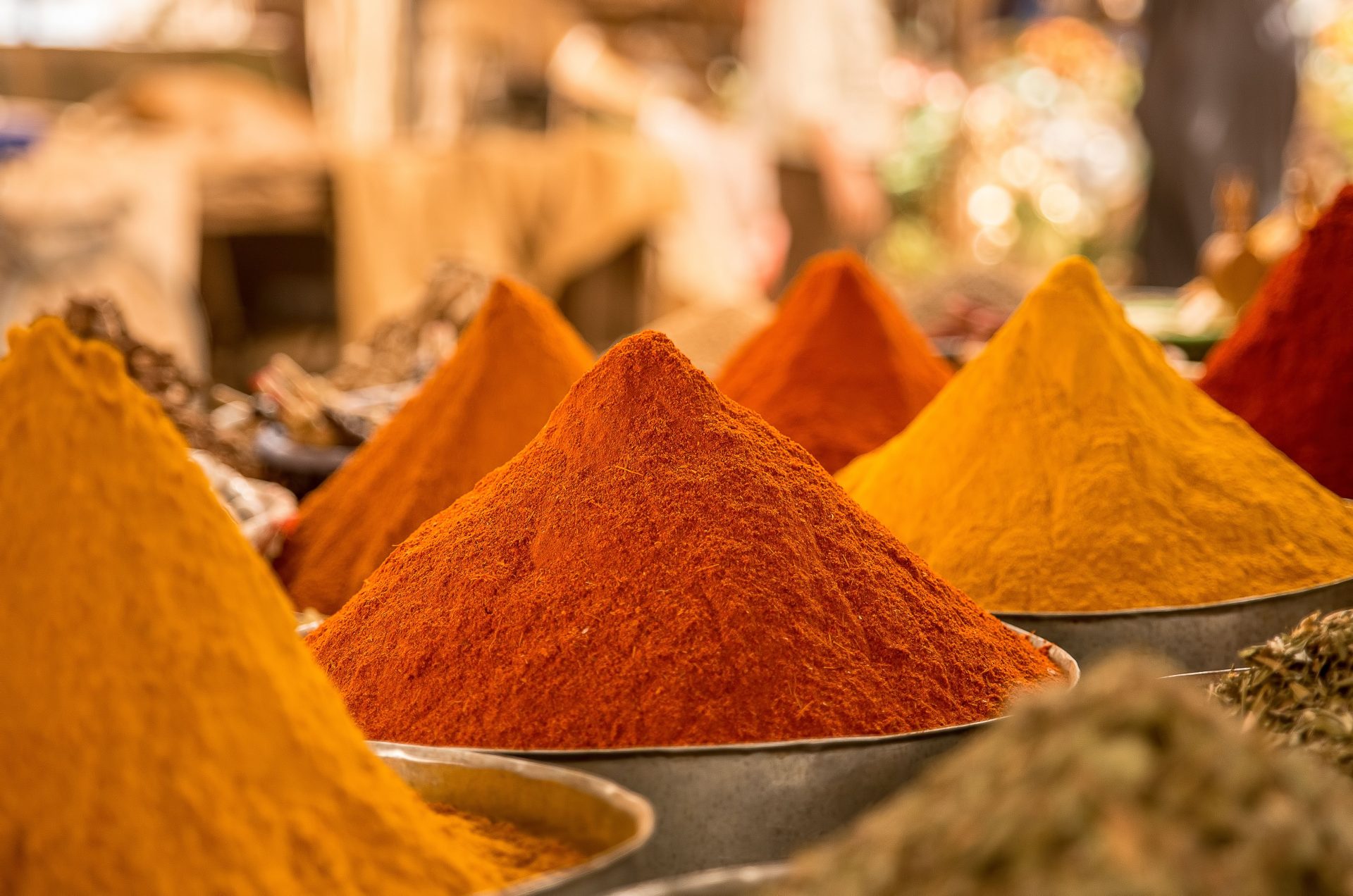
Forewarned is forearmed, as the saying goes, so we have brought together the latest market reports for our key dried spice ingredients: Paprika, Chilli, Pepper, Cumin, and Turmeric. In these reports, we examine harvesting conditions and supply challenges across our primary global sourcing origins, providing you with the market intelligence needed to plan your ingredient procurement for the coming months.
China: The 2026 Chinese paprika crop is now entering the drying and processing stage, with production estimated to be 14-18% lower than last season. Lower yields and disease pressure have reduced overall output, while availability of qualified raw material remains tighter than in previous years. As a result, market conditions are expected to remain firm throughout the season.
Zambia: Production remains an important alternative to China, with growers continuing to develop sweeter paprika varieties aimed at improving suitability for low-pungency paprika applications.
Zimbabwe: Production remains significantly smaller than Zambia, limiting the volume of available raw material. Availability of high-quality pods is particularly restricted.
China: The main challenges are lower production, anthracnose pressure and the reduced availability of EU-compliant material from Gansu and Inner Mongolia. Disease pressure has affected yields and overall production potential, while the volume of material meeting European requirements is proving lower than expected.
Zambia: Cross-contamination with capsicum varieties of higher pungency remains a key concern. Although growers continue working with sweeter paprika varieties, achieving consistent low-SHU material remains challenging, limiting availability for applications requiring very low pungency specifications.
Zimbabwe: Quality is generally considered attractive, but production volumes remain limited. Restricted availability continues to support higher prices and limits Zimbabwe’s ability to compensate for shortages from other origins.
A smaller Chinese crop, anthracnose pressure and lower-than-expected availability of EU-compliant material are tightening supply. While alternative origins exist, limitations in SHU, volume and quality mean that qualified paprika for the European market is expected to remain firm to bullish throughout the season.
The outlook for the new Indian chilli crop has weakened compared with July expectations. Although higher prices initially supported forecasts of a significant recovery in acreage, strengthening El Niño conditions and rainfall shortages have limited expansion, with planted area now expected to increase by only 5-10% versus the 15-20% previously anticipated. Water shortages in key producing regions, particularly Andhra Pradesh, have delayed crop development and increased uncertainty around final yields. Following a season characterised by reduced production, low carry-forward stocks and limited availability, the market is expected to remain supported by tight supplies, with firm prices likely to continue until there is greater visibility on the size of the upcoming harvest.
Weather remains the principal risk for the new crop. Below-normal rainfall, water shortages and El Niño conditions could continue to affect productivity despite the expected increase in acreage. In addition, availability of IPM/EU-compliant chilli remains constrained, creating additional pressure for European buyers seeking compliant material.
Following a season of reduced production, low carry-forward stocks and limited availability, market fundamentals remain supportive. Prices corrected slightly during August but strengthened again in September, and are expected to remain firm in the near term. While the increase in acreage should provide some additional supply, ongoing weather concerns and limited availability of EU-compliant material are likely to keep the market tight until greater visibility on the new crop becomes available.
Compared with July, the outlook for the Indian chilli market has become more bullish. Expectations for a strong recovery in acreage have been revised downward from 15-20% to 5-10% due to El Niño conditions and severe rainfall deficits, particularly in Andhra Pradesh. As a result, concerns about supply availability have increased, low stocks remain a supporting factor, and prices are expected to stay firm until there is greater visibility on the new crop.
Vietnamese pepper availability remains relatively tight, with limited stocks at farmer and collector level following the smaller 2026 crop. Market attention is increasingly shifting towards the 2027 crop, where weather conditions and flowering development will be critical for production prospects.
In Brazil, the Pará harvest is progressing normally and is providing additional supply to the market. Approximately 30% of the crop had been harvested by September, with weather conditions generally favourable and no major issues reported. Brazilian availability is helping to improve short-term supply but is not fully offsetting the tighter situation in Vietnam.
The main challenges remain limited stocks in Vietnam, uncertainty surrounding the 2027 Vietnamese crop and the availability of EU-compliant material. Strong Vietnamese exports continue to support market prices, while future market direction will depend on crop development, Chinese demand, freight costs and currency movements.
In Brazil, the focus is increasingly on quality rather than volume. Exporters continue to compete for sun-dried pepper with good pesticide control and the ability to meet EU requirements, creating a premium for compliant material compared with the general market.
The global black pepper market is expected to remain stable to firm. Additional Brazilian supply is improving short-term availability and helping to prevent stronger price increases, while limited Vietnamese stocks and uncertainty regarding the 2027 crop continue to provide underlying support. For European buyers, EU-compliant material remains firmer than the general market due to restricted availability in both Vietnam and Brazil.
Brazilian harvest pressure is helping to balance the market, but limited Vietnamese stocks and the 2027 crop continue to support prices. EU-compliant material remains the tightest segment and is expected to maintain a premium over the general market.
The 2026 Indian cumin harvest is virtually complete, with acreage estimated to be around 12% lower than the previous season. Despite the reduction in planted area, overall availability remains adequate thanks to strong carry-forward stocks. However, market arrivals continue to be limited as many farmers are holding inventories in anticipation of higher prices, creating temporary supply tightness.
The main challenges remain quality concerns, regulatory requirements and limited farmer selling. Weather fluctuations have affected seed quality in some regions, while pesticide residues, pyrrolizidine alkaloids (PA) and compliance with EU requirements continue to be closely monitored. At the same time, farmer stock retention is restricting the flow of material into the market.
The cumin market remains firm but not strongly bullish. Lower acreage and continued farmer stock holding are providing support to prices, while healthy carry-forward stocks and moderate demand are limiting the potential for significant increases. In the short term, the market is expected to maintain a stable to slightly upward price trend.
Compared with July, the October outlook is more supportive for prices. Although carry-forward stocks remain above average and continue to ensure adequate availability, a smaller crop and ongoing farmer stock retention are tightening short-term supply. The market is not expected to experience a sharp rally, but the overall trend remains firm to mildly bullish with limited downside risk.
The 2026/27 turmeric crop is currently developing across the main producing regions of India, Vietnam, and Indonesia, with crop age ranging from approximately 60 to 120 days depending on the area. Total planted acreage is estimated to be 10-15% higher than last season, supported by attractive market prices. However, strengthening El Niño conditions and persistent rainfall deficits are creating moisture stress in several growing regions, increasing uncertainty around final yield potential. New crop arrivals are currently expected from late February 2027.
The main challenges remain low carry-forward stocks and weather-related risks. Stocks are estimated to be 20-25% below the previous year, while rainfall deficits and water scarcity could reduce productivity despite the increase in planted area. For European buyers, the availability of EU-compliant/IPM material also remains a key concern, as supply is expected to stay limited until the arrival of the new crop.
The turmeric market is expected to remain firm in the coming months. Low carry-forward stocks, steady domestic and export demand, and uncertainty regarding final crop yields continue to support prices. Although planted acreage has increased by 10-15%, the potential benefit to supply may be partially offset by adverse weather conditions. With new crop arrivals not expected until late February 2027, downside price risk appears limited in the short term.
Compared with July, the market has moved from uncertainty around planting and monsoon development to concerns about crop performance and final yields. While acreage is now estimated to be 10-15% higher than last season, rainfall deficits, water scarcity and El Niño conditions are putting yield potential under pressure. At the same time, low carry-forward stocks and delayed new-crop arrivals continue to support prices, resulting in a firmer market outlook than was anticipated in July.
Whatever your dried spice requirements, J.L. Priestley is here to help you stay ahead of the market. Contact our team today to request samples, discuss pricing and availability, or find out how we can support your sourcing strategy for the months ahead.